Last updated August 24, 2026
Regular car waxing creates a sacrificial barrier that protects the clear coat from oxidation, UV rays, and corrosive contaminants. By shielding the paint from environmental damage, waxing prevents microscopic pitting and chemical etching, ensuring your vehicle maintains its structural integrity and peak resale value throughout 2026 and the years following.
Table of contents
- Key takeaways
- The Benefits of Regular Car Waxing for Your Finish
- Combating UV Rays and Preventing Car Paint Oxidation
- Comparing Paint Protection Methods
- Maintaining the Clear Coat Maintenance Schedule
- Preserving Vehicle Resale Value Through Regular Care
- Frequently asked questions
Key takeaways
- Sacrificial Defense. Waxing provides a sacrificial layer that absorbs UV radiation to prevent clear coat failure.
- Corrosion Resistance. Hydrophobic properties in modern wax prevent acid rain and bird droppings from etching the finish.
- Structural Integrity. Regular application prevents microscopic paint pitting that leads to deep-seated corrosion.
- Financial Savings. Preserving the factory paint finish can prevent the need for expensive professional respraying.
The Benefits of Regular Car Waxing for Your Finish
The primary benefits of regular car waxing include creating a physical barrier against environmental acids and providing a smooth surface that repels abrasive road grime. When you apply wax, you are filling the microscopic pores of the automotive paint protection system to prevent moisture from settling. Pette’s Auto Care, the provider of honest vehicle maintenance and paint protection advice, emphasizes that this routine is the most cost-effective way to avoid clear coat failure and permanent color fading.
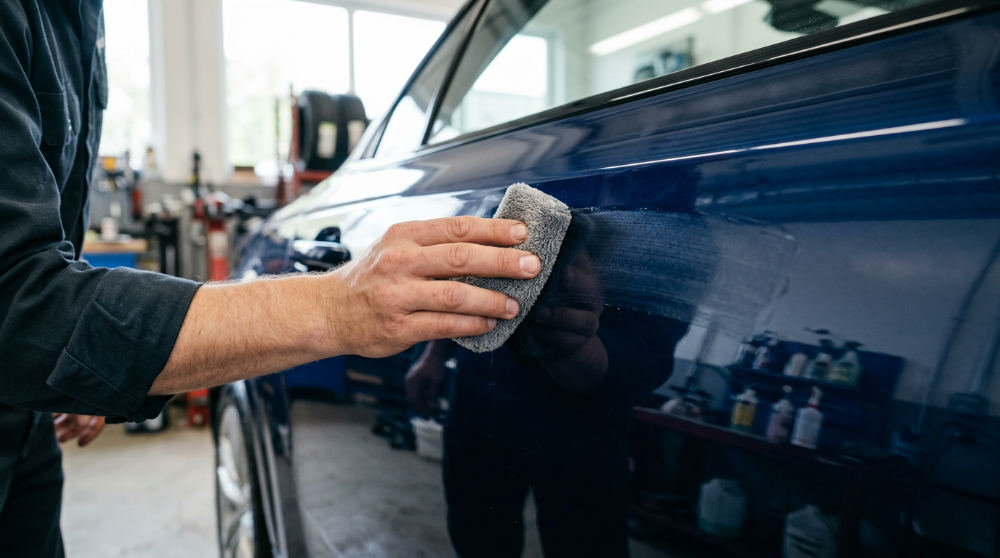
Modern automotive paint consists of a base color layer topped by a non-pigmented clear coat that provides depth and shine. Think of this outer layer as the frontline of your car’s defense against the elements, but don’t assume it’s invincible. Pette’s Auto Care explains that wax acts as a sacrificial barrier. The wax layer takes the brunt of friction and chemical attacks so your paint survives the commute unscathed. When debris or chemicals hit your car, they interact with the wax instead of the permanent finish.
Honest Care Tip: At Pette’s Auto Care, we believe exterior care is about longevity, not just vanity. A well-waxed car is easier to wash and less likely to develop structural rust.
Modern environmental standards have led to water-based paints that, while eco-friendly, require consistent maintenance to prevent micro-pitting and surface wear. These tiny pores are invisible to the naked eye but act as magnets for road salt and industrial fallout. A regular waxing schedule fills these microscopic pores, creating a smooth surface that resists the accumulation of harmful materials. By smoothing out the surface, you ensure that moisture and grit slide off rather than settling into the finish. This proactive approach aligns with our Honest Mile philosophy. Small, consistent actions prevent major mechanical and aesthetic failures down the road.
Combating UV Rays and Preventing Car Paint Oxidation
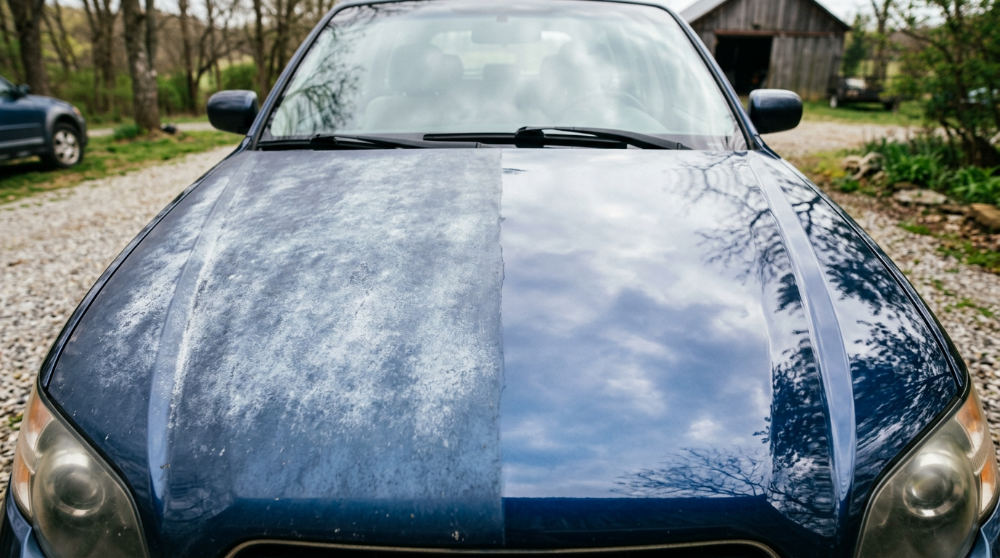
Preventing car paint oxidation is achieved by blocking the oxygen and heat that trigger the chemical breakdown of the clear coat. Oxidation is the chemical reaction between oxygen and your car’s paint, typically accelerated by heat and intense sunlight. When paint molecules sit exposed to the air without a protective layer, they begin to break down. This results in a dull, chalky appearance that eventually leads to structural failure. UV rays act as a silent killer for 2020s vehicle finishes, breaking down the molecular bonds of the clear coat until it turns white and starts to flake away.
Regular application of carnauba wax or a synthetic sealant filters these rays, slowing the degradation process significantly. Carnauba provides a deep, warm glow, but synthetic options often offer a higher level of heat resistance. This is vital for vehicles parked in direct sunlight. Once the clear coat fails and begins to peel, you can’t wax it back to health; the damage is permanent. Prevention is the only cost-effective solution for long-term exterior health. By maintaining this barrier, you are essentially providing sunscreen for your car. We often see vehicles where the mechanical components are in great shape, but the body has aged prematurely due to sun damage. Exterior care is a vital part of total vehicle health.
Comparing Paint Protection Methods
Choosing between a natural plant-based carnauba wax and a man-made synthetic sealant depends on whether you value shine or durability. Carnauba is favored by enthusiasts for its unmatched aesthetic depth, but it tends to wear off faster in harsh conditions. Synthetic sealants typically provide a stronger hydrophobic effect, causing water to bead and roll off. This is essential for managing local seasonal changes and heavy rainfall.
| Feature | Carnauba Wax | Synthetic Sealant |
|---|---|---|
| Primary Ingredient | Brazilian Palm Leaves | Lab-engineered Polymers |
| Durability | 4 to 8 Weeks | 4 to 6 Months |
| Finish Quality | Warm, Deep Glow | High-Gloss, Mirror Shine |
| Heat Resistance | Moderate | High |
| Application Type | Manual Paste/Cream | Liquid or Spray |
Manual waxing offers far superior coverage and thickness compared to the diluted spray wax options found at automated commercial car washes. Those automated systems often provide a temporary shine that disappears after the first rain. A hand-applied layer bonds more effectively to the clear coat. For those who want the best of both worlds, applying a sealant for durability followed by a wax topper for shine is a common 2026 strategy. Maintaining a clean and protected exterior is widely considered one of the most effective ways to preserve a vehicle’s long-term utility.
Maintaining the Clear Coat Maintenance Schedule
Effective clear coat maintenance requires a consistent application schedule to ensure the protective polymers remain bonded to the paint surface. Waxing is a preventive measure. It cannot repair paint that is already peeling, bubbling, or heavily oxidized. If your clear coat has already turned white and started to lift, applying wax will not bond correctly and may even highlight the damage. Over-waxing is rarely a risk to the paint itself, but failing to strip old, contaminated wax before applying new layers can trap dirt against the finish. We recommend a thorough cleaning before starting any protection routine.
New cars from the dealership should be waxed immediately. Factory protection is often minimal and begins degrading the moment it leaves the lot. Many buyers assume the dealership’s "protection package" lasts for years, but these are often just basic sealants that require regular maintenance. Pette’s Auto Care follows an Honest Mile approach, emphasizing that exterior care is just as vital as mechanical upkeep for the total longevity of the vehicle. We want your car to reach the 200,000-mile mark looking as good as it runs. That requires looking past the marketing and focusing on the actual chemistry of paint protection.
Preserving Vehicle Resale Value Through Regular Care
Preserving vehicle resale value is a direct result of maintaining the visual and structural integrity of the exterior panels. The resale value of a vehicle is heavily influenced by first impressions. A faded or pitted hood suggests mechanical neglect to potential buyers. Even if you have kept up with every oil change, a car with failing paint signals that the vehicle was not truly cared for. Consistent clear coat maintenance helps avoid the need for costly body repairs, making the small investment in wax highly profitable.
Financial Fact: Investing in quality wax supplies annually can prevent the need for a professional paint job later in the vehicle’s life.
Integrating paint protection into your broader routine of essential services ensures a holistic approach to vehicle health. When the body stays rigid and free of rust, the entire frame remains safer and more reliable. Following car maintenance tips allows you to drive a car that looks and performs like new for years longer than average. To ensure your vehicle stays in peak condition for the long haul, you can explore our full range of professional vehicle services.
If you are unsure which protection method is right for your driving habits, we are here to help. You can contact Pette’s Auto Care for a clear explanation of your specific vehicle’s maintenance needs or to schedule your next routine service.
Frequently asked questions
How often should you wax your car for maximum protection?
For most drivers, regular waxing every few months is ideal to maintain a consistent sacrificial barrier. However, vehicles stored outdoors or exposed to heavy road salt during the winter months may require monthly attention to prevent contaminants from bonding to the clear coat. Regular checks of the water-beading performance can help you decide when a fresh coat is necessary.
Does waxing a car prevent rust and corrosion?
Yes, by sealing the paint, it prevents moisture and salt from reaching the metal substrate through microscopic pores. It stops micro-pitting, which is often the starting point for structural rust. By keeping the surface hydrophobic, you ensure that corrosive elements are washed away during a standard cleaning rather than lingering on the body panels where they can do permanent damage.
What happens if you never wax your vehicle’s paint?
The clear coat will eventually dry out, crack, and flake off because it lacks a protective barrier against UV radiation and oxygen. Once this happens, the underlying color will oxidize, turning dull and potentially leading to permanent surface damage that requires a full professional respray. Without wax, the paint is also much more susceptible to permanent etching from bird droppings.
Can regular waxing extend the life of a clear coat?
Absolutely, it acts as the primary defense against friction and environmental acids that would otherwise wear down the clear coat. It preserves the thickness of the clear coat by reducing the need for aggressive polishing or paint correction. A well-maintained clear coat stays flexible and resilient, resisting the cracking that often occurs on older, neglected vehicles.
How does seasonal temperature change in 2026 affect wax longevity?
Extreme summer heat can melt natural waxes, which have a relatively low melting point, potentially requiring a switch to synthetic sealants for better durability. Conversely, winter road salts are highly corrosive, making a fresh coat of wax essential before the first frost. Each season presents unique challenges that can strip protection faster than expected, necessitating a flexible maintenance schedule.